
The key demands of 20- to 25-years-olds, who are particularly important to luxury brands as the next generation of consumers and who are shaping the market, can be defined as follows.
Above all, luxury brands must demonstrate authenticity and transparency. Gen Z is skeptical of idealized or fabricated narratives in marketing and instead demands authentic stories shared by real people. They buy not only into what a brand does, but most importantly into why it does it. Luxury brands must take visible steps to demonstrate their values and convictions. They als prioritize social responsibility when choosing brands that benefit society and pursue a positive agenda. They align themselves only with brands that reflect their own values and respond with clear rejection to any association with harmful, ignorant or exploitative practices.
Today, consumers trust people more than they trust brands.
Generation Z, in particular, looks to genuine personalities rather than celebrities, which means that influencers are particularly effective when they create authentic content and are involved in campaigns at an early stage as creative partners. Those aged 20 to 25 not only seek personalized products, but are also willing to pay a premium for products that emphasize their individuality.
Luxury brands are being called upon to facilitate co-creation with consumers and to invite them to participate and collaborate. Some luxury brands, such as Burberry and Gucci, send personalized messages that allow customers to take part in the co-creation of products.
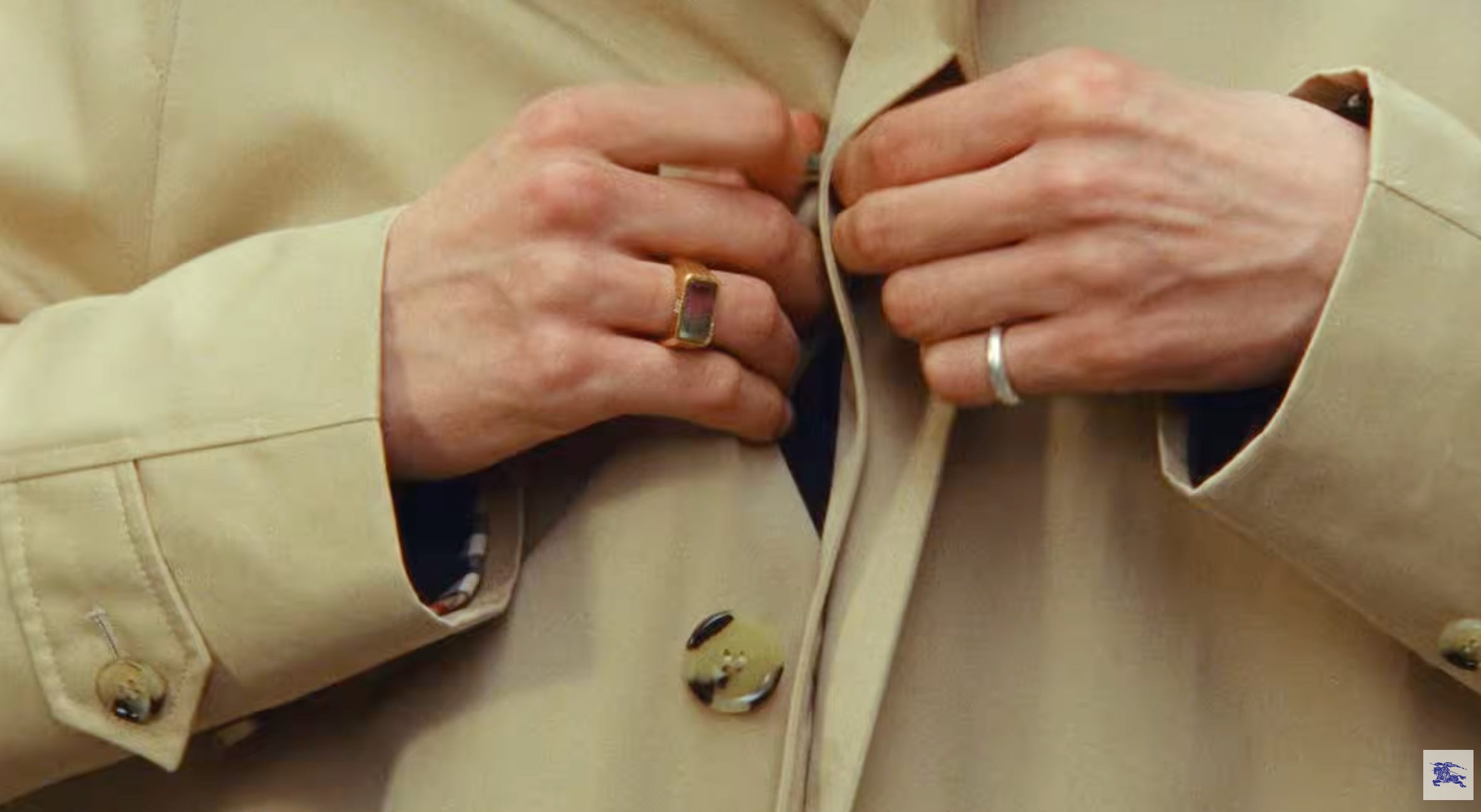
Engagement with luxury brands on social is a means of achieving alignment between one’s own personality and the brand’s personality, and of creating one’s ideal self-identity. Brands should support them in cultivating their personal, ever-evolving identity. Modern brands must offer opportunities of personalization and individualization in unique and meaningful ways. Customers expect brands to know them and to deliver highly personalized messages.
Gen Z is particularly keen to seek social validation and acceptance from their peers and is more concerned with their image, both in the physical and digital world, than previous generations. A look at perceptions of luxury and the shopping experience reveals that the understanding of luxury has shifted significantly. For this Generation, compelling value for money and enriching experience are increasingly the main priorities. Consumers aged between 20 and 25 are regarded as discerning yet cost-conscious; they expect a clear return on their financial investment. Quality is becoming more important than the brand name alone, and experiences are often valued more highly than material goods. In the contemporary luxury context, consumers also expect a rewarding, engaging brand experience that ideally fosters an emotional connection.
For this target group, analogue experiences often have a stronger impact than digital advertising. Although luxury brands now have an online presence, visibility, exclusivity and distinction remain highly valued. Social media serves as a space in which young consumers showcase their aesthetic preferences and their own relationship with luxury.


Consequently, visual formats such as videos of fashion shows or insights into the craftsmanship behind the products are becoming increasingly relevant, as they convey a brand’s heritage, manufacturing expertise and values. Gen Z also values formats that give them direct access to luxury culture, for example through events.
It can be said that luxury brands are particularly relevant to Gen Z when they communicate a credible purpose, allow for participation, support individual forms of expression, and integrate all of this into a fast-paced, mobile-optimized and consistently interconnected digital and physical brand world.
If you’re Gen Z, what is most important to you in terms of luxury brands?
xx,
Zoë